

Commercial LPG Price Hike Hits Indian Textile Exporters, Margins Under Severe Pressure

Share Post
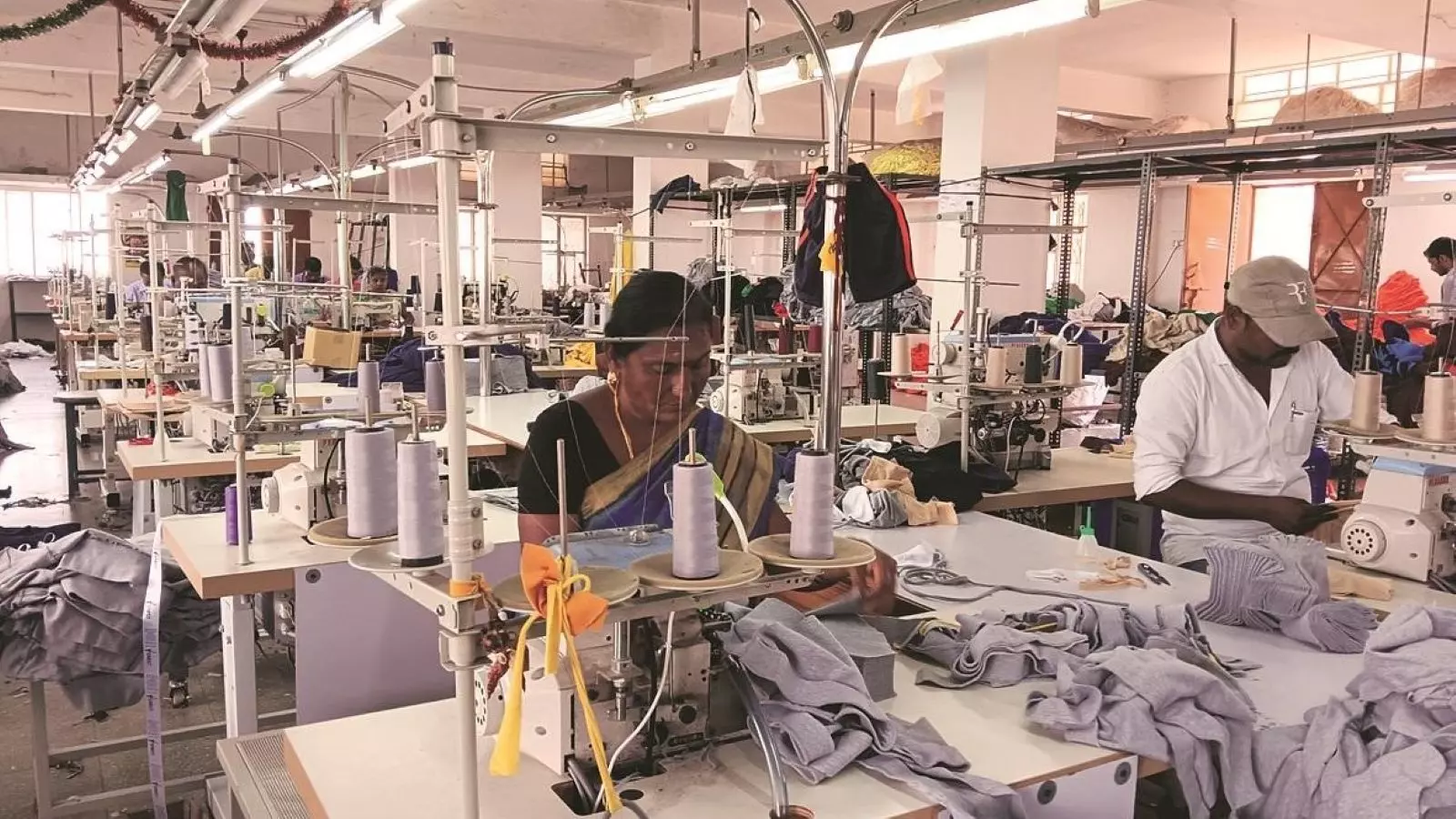
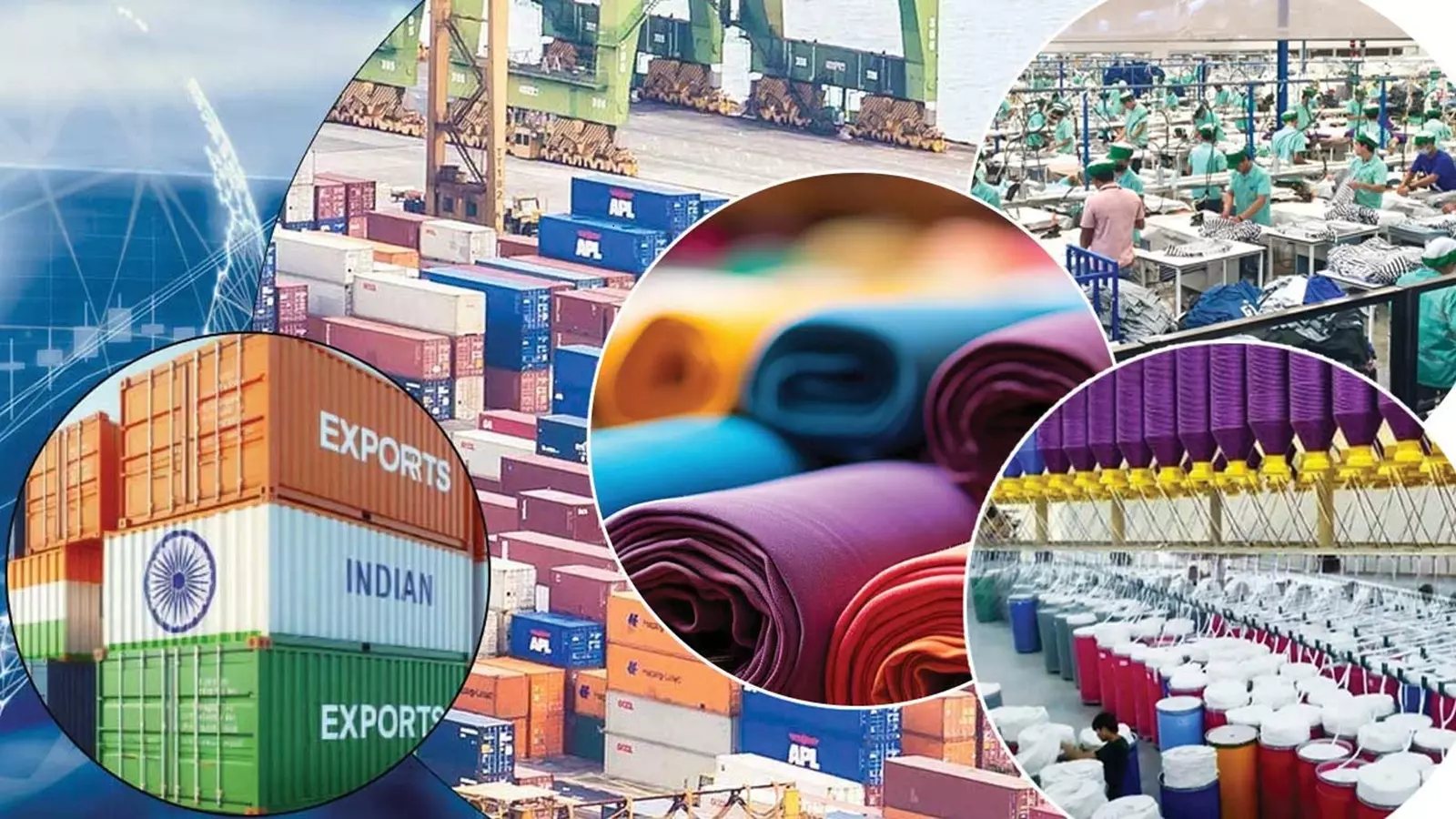
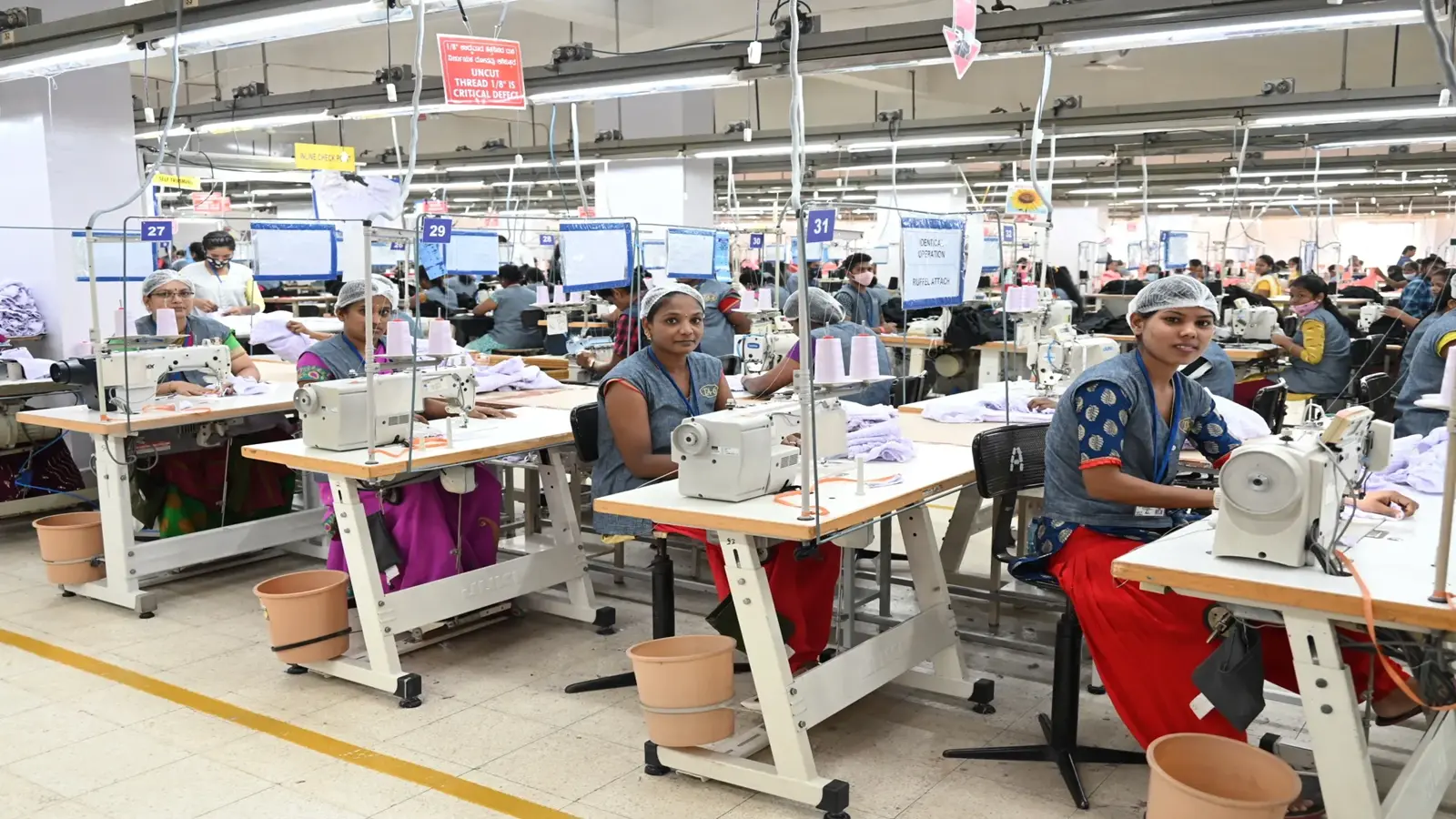
India’s textile export industry is facing fresh challenges after a steep rise in commercial LPG prices significantly increased manufacturing costs for exporters across major textile hubs such as Tiruppur and Noida. The sudden fuel price escalation comes at a time when global buyers are demanding lower prices, creating a dual pressure on exporters already struggling with rising raw material and labour costs.
The textile sector heavily depends on commercial LPG for critical manufacturing processes including dyeing, finishing, washing, and steam generation. With commercial LPG cylinder prices rising sharply by nearly ₹993 on May 1, the cost of a 19-kg cylinder has crossed ₹3,000, directly impacting operational expenses for textile and garment manufacturing units.
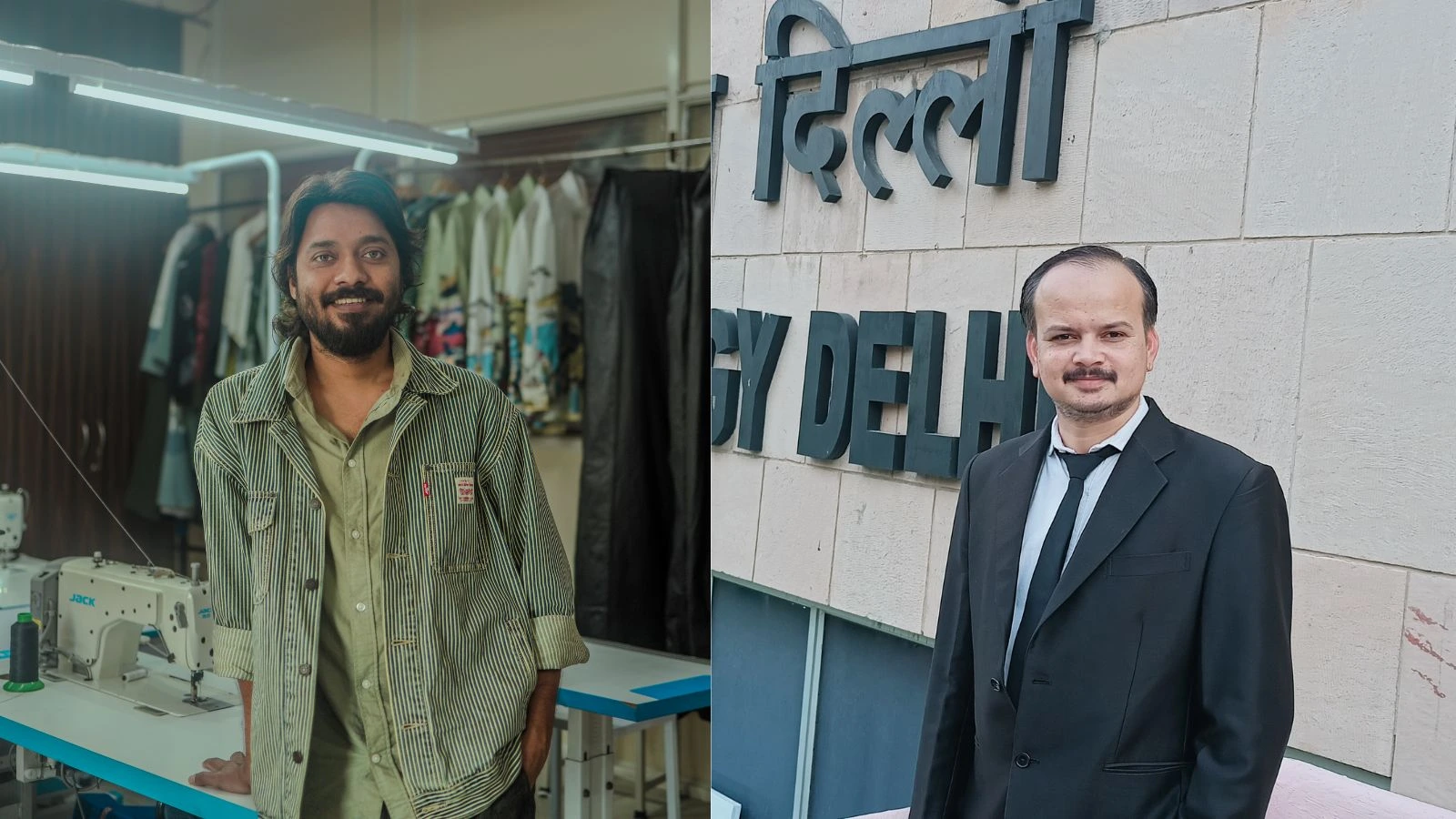
Industry leaders have expressed concerns that the sudden hike is squeezing already thin profit margins. According to K.M. Subramanian, President of the Tiruppur Exporters Association, export-oriented textile units are among the worst affected because most export orders are finalized through forward contracts, leaving little room to pass increased costs on to buyers. Tiruppur, India’s largest knitwear export cluster, exports garments worth nearly ₹35,000–40,000 crore annually through approximately 2,000 exporting units.
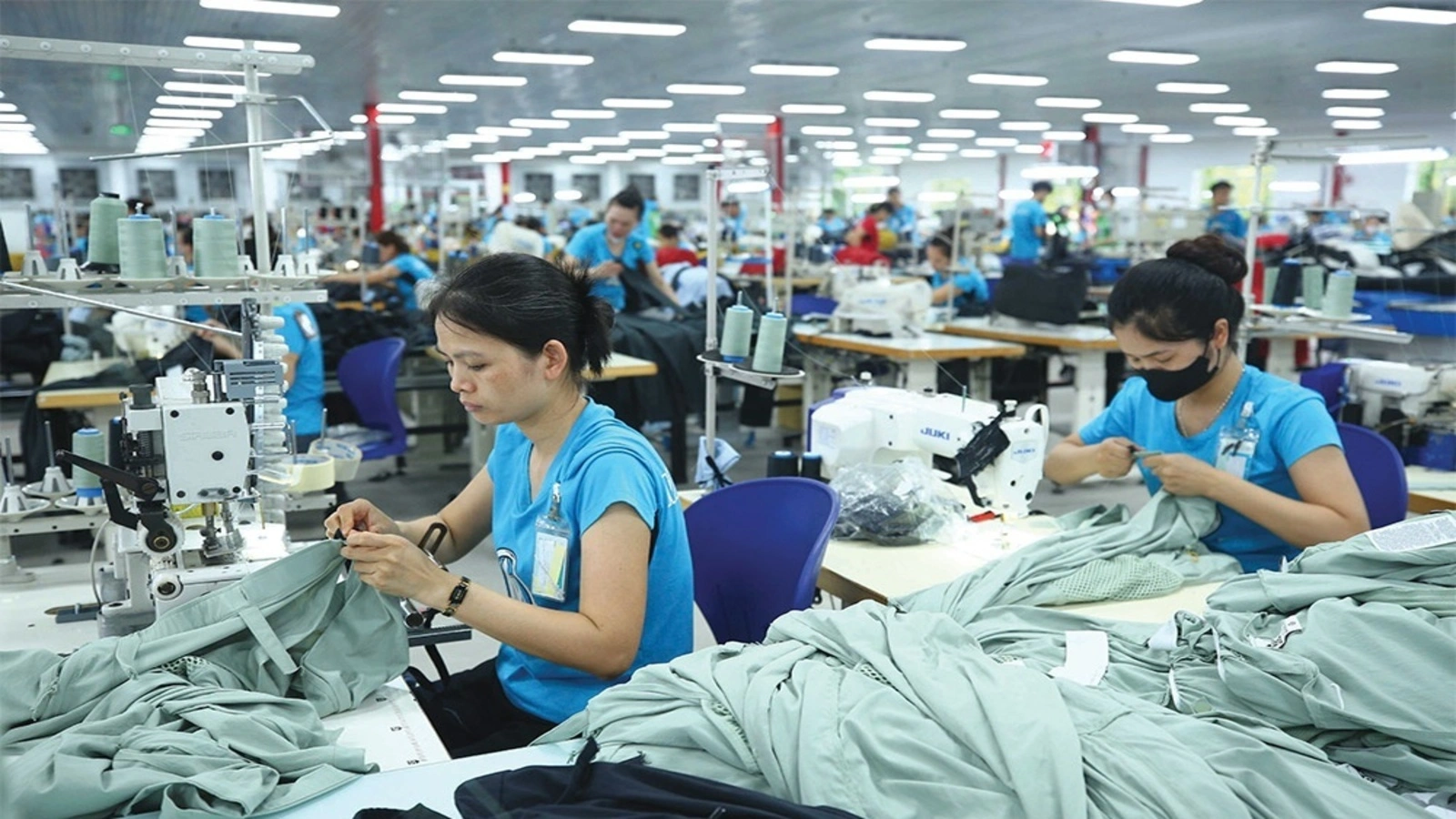
Exporters also warned that the cost increase is reducing India’s competitiveness against textile manufacturing countries such as Bangladesh and Vietnam, where energy prices remain relatively stable. Global buyers, particularly from the US and Europe, are reportedly pushing for discounts amid uncertain market conditions and geopolitical instability, making it difficult for Indian exporters to sustain profitability.
The pressure is equally visible in Noida’s apparel manufacturing sector. Kapi Sadh, Managing Director of garment exporter S.K. Overseas, stated that the LPG price hike has compounded an already difficult business environment marked by rising labour costs due to recent minimum wage revisions in Uttar Pradesh. Industry experts noted that many small and medium-sized textile units lack the financial flexibility to absorb such abrupt increases or shift quickly to alternative fuels such as piped natural gas (PNG).
The textile industry is simultaneously dealing with broader supply-chain disruptions linked to geopolitical tensions in West Asia. Rising crude oil prices, freight costs, and energy-related inflation have already affected textile production across several segments including cotton fabrics, blended textiles, and ready-made garments. Recent industry reports indicate that India’s textile output contracted in March 2026 as manufacturers struggled with increasing input costs and export uncertainties.
The recent LPG price surge is part of a broader trend in India’s energy market. Reports indicate that commercial LPG cylinder prices have risen dramatically over the years, touching record highs amid international supply disruptions and geopolitical conflicts affecting global energy flows.
Industry stakeholders are now urging the government to introduce relief measures for export-oriented units, stabilize commercial fuel prices, and improve energy availability to protect India’s competitiveness in global textile markets. Exporters warn that if cost pressures continue, international buyers may increasingly divert orders to competing manufacturing destinations, impacting India’s textile exports and employment generation.
10:23 AM, May 07
Source : Commercial LPG Price Hike Hits Indian Textile Exporters, Margins Under Severe Pressure



Industry Update




1.webp)
1.webp)

1.webp)


1.webp)

1.webp)
India’s Textile Exports Slip in FY26, Exposing Structural Gaps in Global Competitiveness...view more
1.webp)
1.webp)
.webp)

1.webp)
1.webp)
1.webp)
1.webp)

India Textile Exports Fall in FY26: Apparel Shows Slight Strength Amid Global Challenges...view more
1.webp)

1.webp)

1.webp)
1.webp)
1.webp)
1.webp)

1.webp)
1.webp)

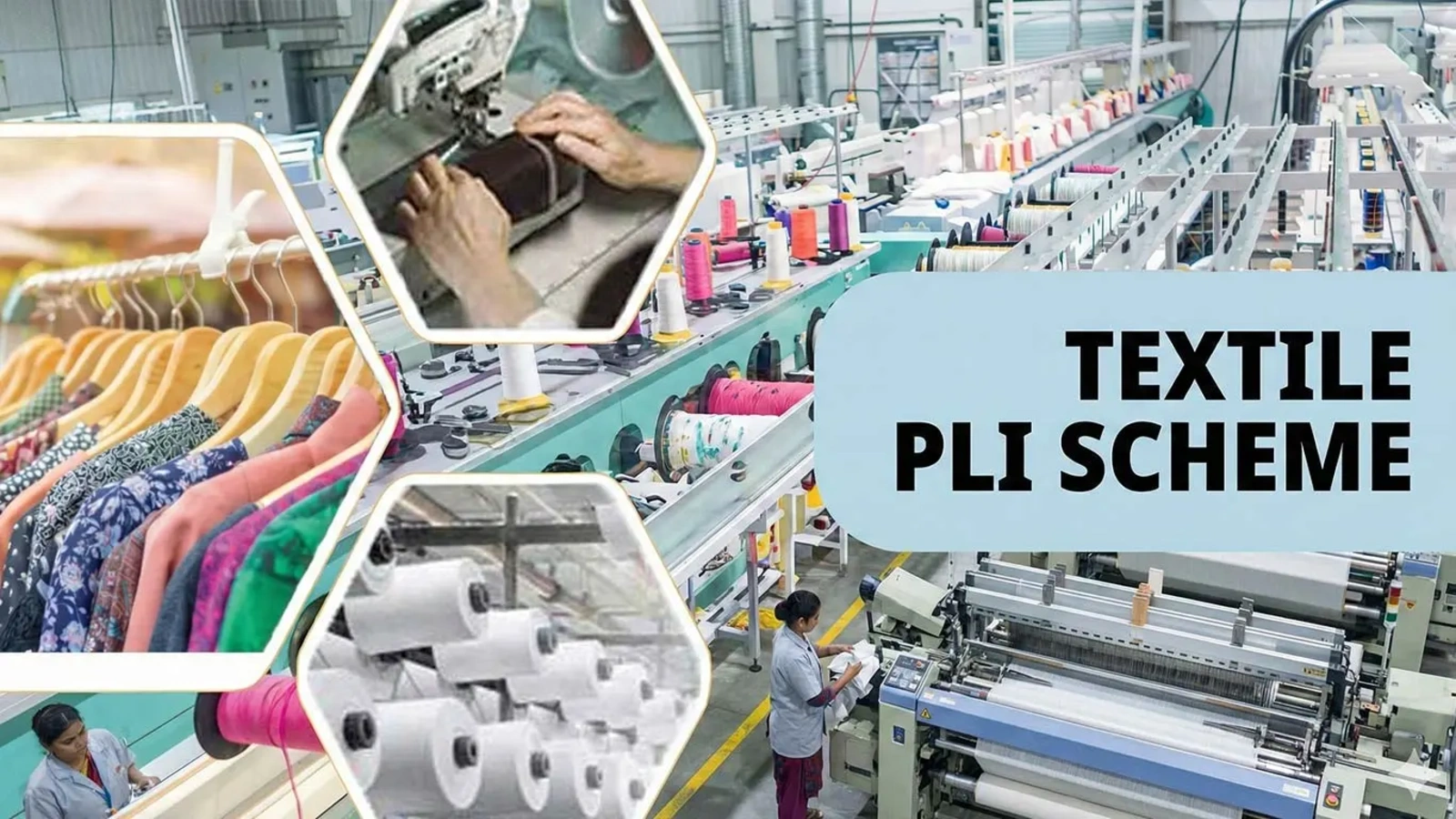
India Expands ₹10,683 Crore Textile PLI Scheme to Boost MMF and Technical Textile Growth...view more

1.webp)
1.webp)
1.webp)
1.webp)


1.webp)



1.webp)


1.webp)


1.webp)



1.webp)
Punjab Eyes Green Transformation of Textile Processing Clusters to Attract Global Brands...view more

1.webp)


1.webp)


1.webp)


1.webp)

1.webp)
1.webp)


1.webp)
1.webp)
1.webp)



1.webp)
1.webp)


1.webp)


1.webp)
1.webp)


1.webp)


1.webp)

1.webp)


1.webp)


1.webp)
1.webp)
1.webp)


Kolkata Set to Become Textile Sourcing Hub as YARNEX and TEXINDIA Return in January 2026...view more
1.webp)
1.webp)

1.webp)



1.webp)
1.webp)

1.webp)


1.webp)
1.webp)
1.webp)


1.webp)


1.webp)


1.webp)


1.webp)


1.webp)



1.webp)



1.webp)


1.webp)
1.webp)
1.webp)


1.webp)

1.webp)

.webp)



1.webp)

1.webp)






1.webp)








1.webp)


1.webp)

1.webp)


1.webp)


1.jpg)






















.png)


.jpg)
.jpg)
.jpg)


1.jpeg)