

Mounting Fashion Waste in Korea Spurs Push for New Recycling Laws and Structural Overhaul

Share Post
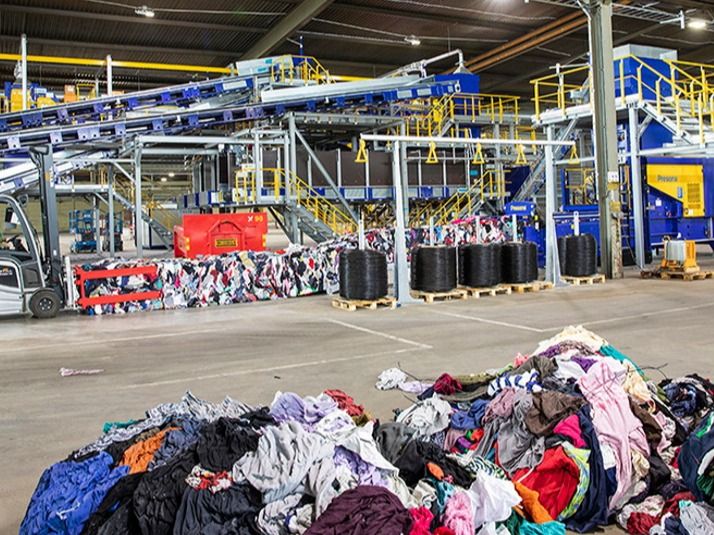
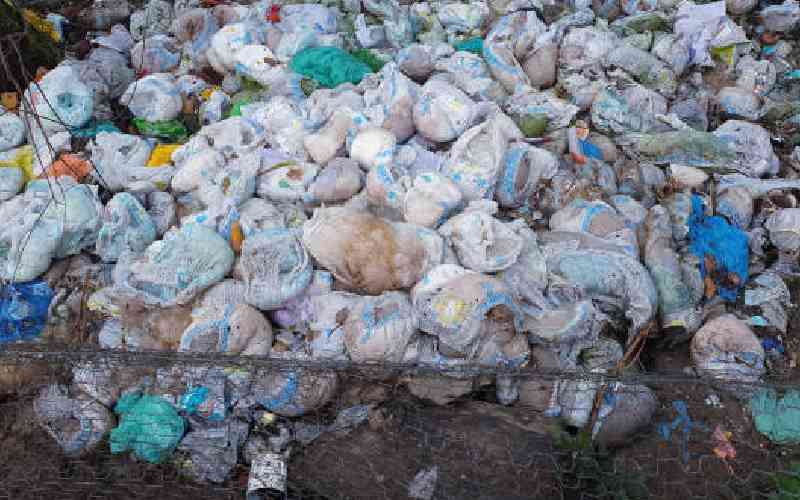
The fast fashion boom in South Korea has led to a massive buildup of discarded clothing and textile waste, with the industry lacking adequate systems for treatment, recycling, or disposal. According to a recent report by the National Assembly Research Service (NARS), the textile sector is responsible for roughly 10% of all industrial greenhouse gas emissions in the country. Annually, households and industries in Korea generate about 400,000 tons of textile waste, yet under 20% of it is recycled. The remainder is either incinerated or dumped in landfills, domestically or exported abroad.
Push for Legal Reform: Extended Producer Responsibility (EPR)
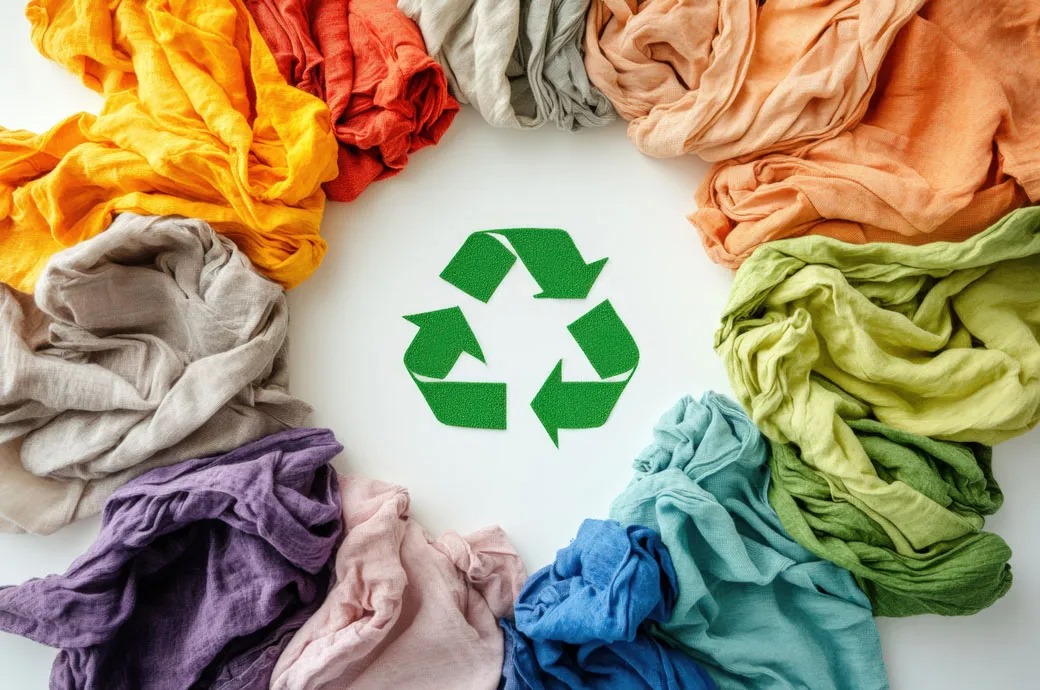
In response to the growing environmental threat, lawmakers led by Kim So-hee (of the People Power Party), along with the Ministry of Climate, Energy, and Environment and NARS, are working on drafting new legislation aimed at tackling textile waste. The cornerstone of the proposed reform is the adoption of an extended-producer-responsibility (EPR) framework, making producers legally responsible for the waste generated by their products. Under this plan, the government would also set up a state-run textile waste collection and recycling system, incentivize private firms to develop advanced recycling technologies, and promote more sustainable consumption behaviors among citizens.
Challenges Ahead: Defining Waste and Industry Resistance
A key technical and regulatory challenge is formally defining what counts as “textile waste,” both from households and from business operations, to ensure clear enforcement of EPR laws. According to a NARS author, Kim Kyung-min, such regulation will likely undergo a trial period of about two years before it becomes fully enforceable, giving producers time to adjust.
Nevertheless, many textile firms remain hesitant: concerns over the profitability and quality of recycled fabrics dampen enthusiasm for investing in recycling technology, even as global markets, especially in regions with stricter environmental standards, prepare to tighten trade and waste-management regulations.
Environmental and Global Trade Implications
Without reforms, Korea risks not only environmental damage from wasted textiles but also trade disadvantages: as recycling regulations tighten globally, for instance under the sustainability rules of the European Union, Korean exporters may face new barriers or penalties if they don’t comply.
Why Action Now, and What’s at Stake
Advocates argue that now is a critical moment for structural overhaul, pointing to Korea’s past success: in 2005 the country introduced landmark legislation that transformed food-waste management, drastically reducing landfill usage and building social consensus around waste treatment.
If similar legal and institutional reforms are implemented for textile waste, including EPR, state-run recycling infrastructure, and industry incentives for sustainable practices, South Korea could significantly reduce its environmental footprint, meet global sustainability expectations, and avoid the social and ecological costs of fast-fashion waste.
03:27 PM, Dec 05



1.webp)



1.webp)


1.webp)
1.webp)
1.webp)


1.webp)

1.webp)

.webp)



1.webp)

1.webp)




1.webp)




1.webp)


1.webp)

1.webp)


1.webp)


1.jpg)




















.png)


.jpg)
.jpg)
.jpg)


1.jpeg)