

India Tightens Waste Rules to Strengthen Global Sourcing Credibility
Share Post
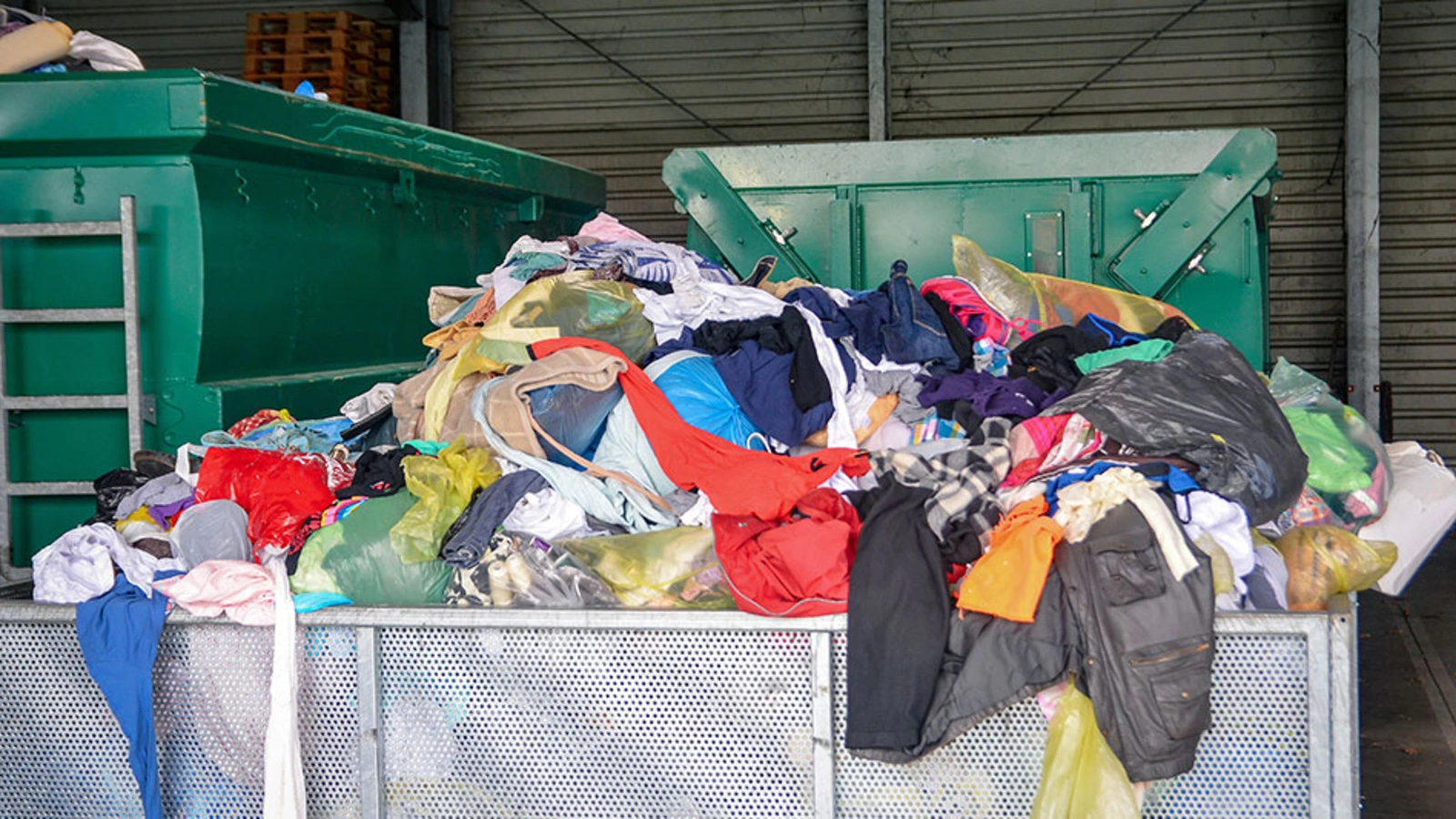
India has taken a significant step toward reinforcing its sustainability credentials with the notification of stricter Solid Waste Management Rules, set to come into force on April 1, 2026. Announced on January 27, 2026, the revised framework marks a structural shift transforming waste management from a largely municipal responsibility into a shared compliance obligation for bulk waste generators and industrial units.
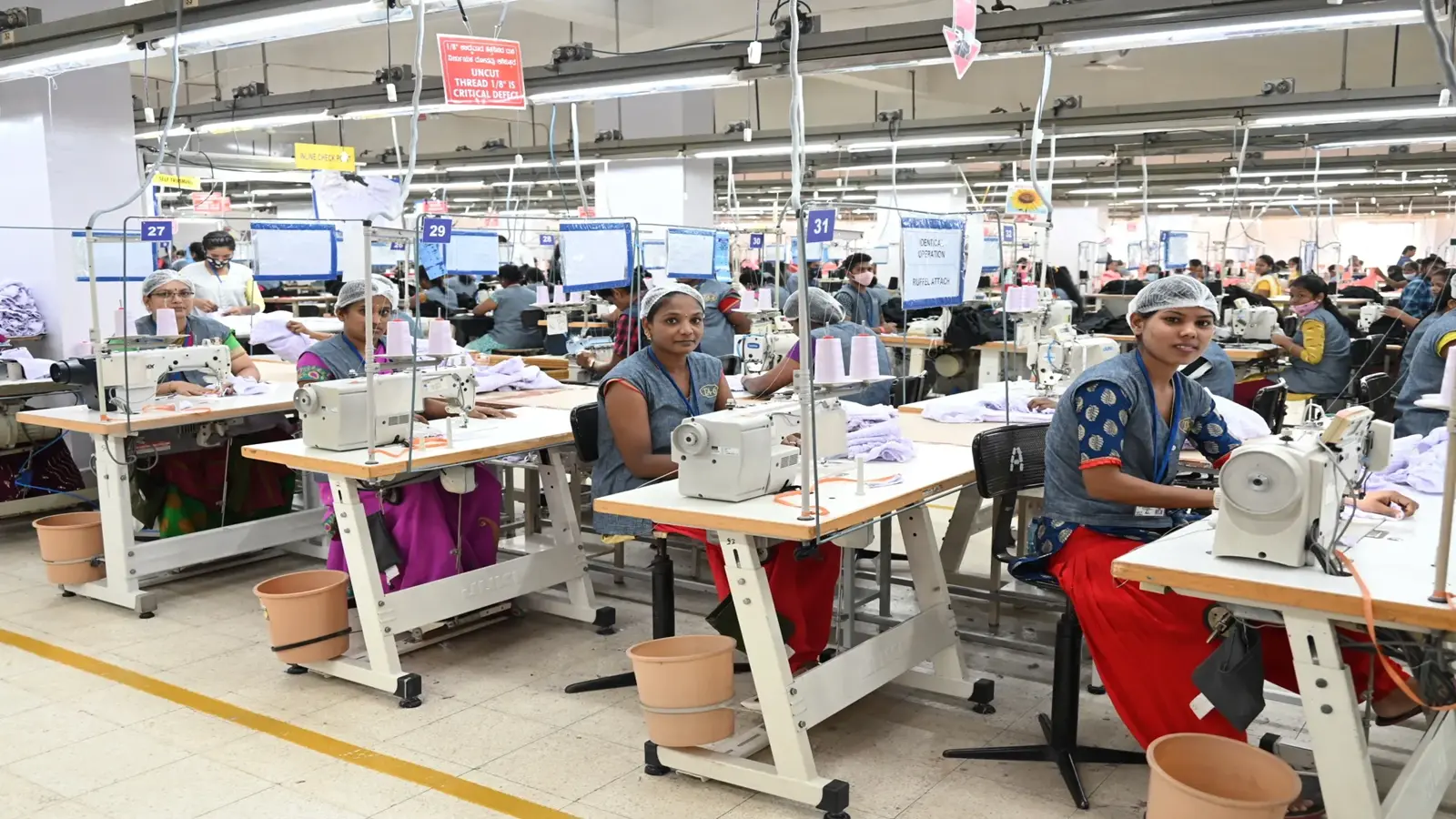
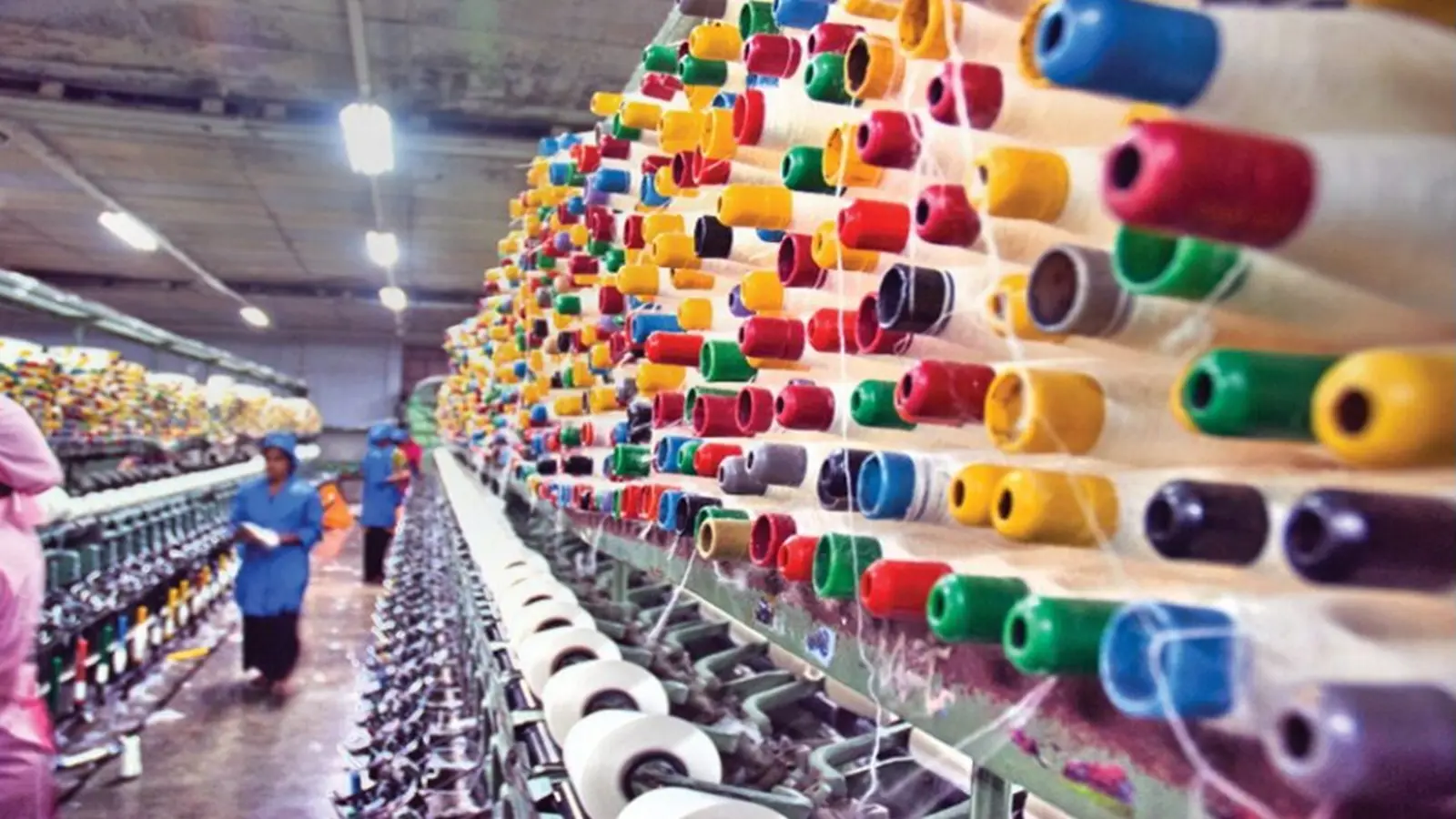
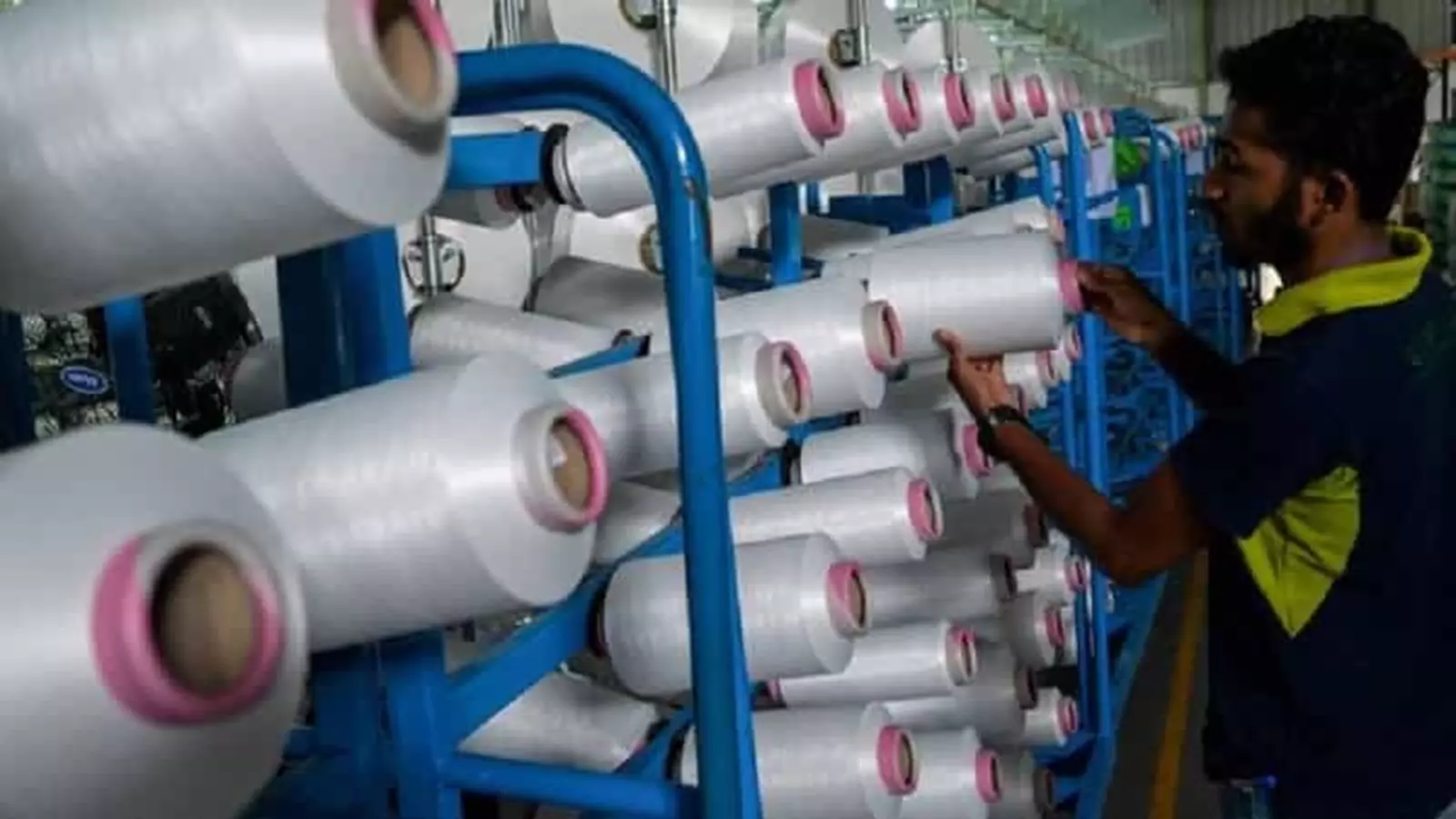
For the textile and apparel industry, this development comes at a crucial time. Sustainability benchmarks are increasingly influencing sourcing decisions, particularly in the European Union, where trade agreements and regulatory frameworks now emphasise environmental traceability and supply-chain due diligence. By tightening waste norms, India is positioning itself as a cleaner, more accountable sourcing destination in global markets. Under the new rules, garment factories, textile parks, and large industrial campuses must implement strict source segregation across four distinct waste streams:
- Wet waste
- Dry waste
- Sanitary waste
- Special care waste
Units meeting defined thresholds such as 20,000 square metres of built-up area or generating 100 kg of solid waste daily will be categorised as bulk waste generators, subject to enhanced compliance and reporting.
Waste Diversion and Energy Recovery Take Centre Stage
A defining feature of the updated framework is its strong push toward landfill diversion and energy recovery. Non-recyclable waste with a calorific value of 1,500 Kcal/kg or higher is discouraged from landfill disposal and instead directed toward energy generation or use as refuse-derived fuel (RDF).
Industrial units using solid fuels and located near RDF plants must substitute part of their fuel consumption with segregated combustible waste starting at a minimum of six per cent and increasing progressively. For textile clusters operating solid-fuel boilers, this creates measurable waste-to-energy linkages while also introducing new layers of documentation, registration, and compliance.
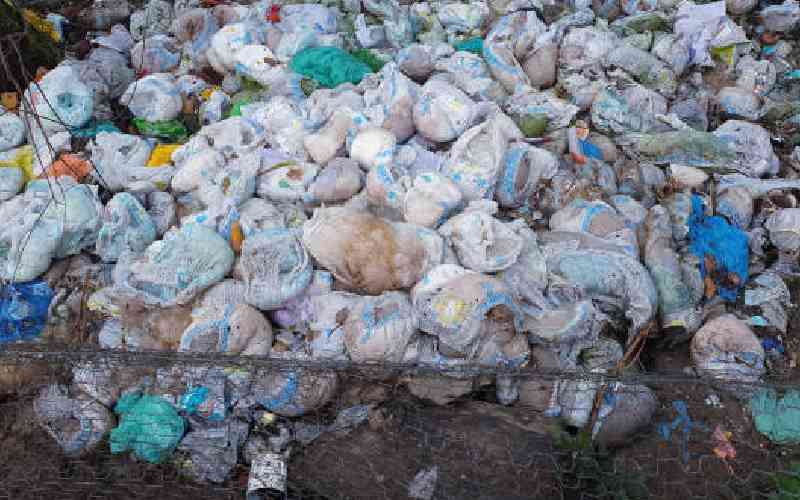
Additionally, sanitary waste management requirements are tightened, particularly in labour-intensive garment units with canteens and hostels. Used sanitary items must be securely wrapped often in pouches supplied by brands or manufacturers and disposed of in designated bins. This provision directly connects factory-level waste practices with brand-level product stewardship obligations.
Compliance Costs Today, Competitive Advantage Tomorrow
In the short term, the industry may face operational disruptions. Infrastructure upgrades, worker training, authorised waste collection contracts, and systematic reporting will require investment and greater operational discipline. However, strategically, the reforms enhance India’s environmental narrative at a time when buyers demand documented proof of sustainability practices.
For EU-bound exporters, the rules align closely with circularity principles and traceability expectations embedded in new trade agreements. In the US market, where sustainability scrutiny often flows through buyer standards and state-level regulations, India’s strengthened waste regime acts as a supporting credential demonstrating structured segregation, authorised disposal, and reduced landfill dependence.
Ultimately, while compliance costs may rise, the long-term payoff lies in reputational capital. By embedding auditable waste pathways and promoting reduce-reuse-recycle practices, India is reinforcing its standing as a responsible sourcing hub. In an era where sustainability shapes trade access as much as price and capacity, the country’s tightened waste norms could prove to be a strategic edge rather than a regulatory burden.
01:05 PM, Feb 12
Other Related Topics
India Tightens Waste Rules to Strengthen Global Sourcing Credibility
01:05 PM, Feb 12.webp)

.webp)
US–Bangladesh Tariff Pact Brings Fresh Momentum to Garment Exports
04:08 PM, Feb 10.webp)
Industry Update
1.webp)

1.webp)
1.webp)



1.webp)
1.webp)


1.webp)


1.webp)

1.webp)


1.webp)


1.webp)

1.webp)


1.webp)


1.webp)
1.webp)
1.webp)


Kolkata Set to Become Textile Sourcing Hub as YARNEX and TEXINDIA Return in January 2026...view more
1.webp)
1.webp)

1.webp)


1.webp)
1.webp)

1.webp)


1.webp)
1.webp)
1.webp)


1.webp)


1.webp)


1.webp)


1.webp)


1.webp)



1.webp)



1.webp)


1.webp)
1.webp)
1.webp)


1.webp)

1.webp)

.webp)



1.webp)

1.webp)






1.webp)









1.webp)


1.webp)

1.webp)


1.webp)


1.jpg)





















.png)


.jpg)
.jpg)
.jpg)


1.jpeg)